

 Image 1 of 1
Family: Ranunculaceae (the buttercup family)
Portuguese: Cominho-preto
Other names: Black seed, black caraway, nigella
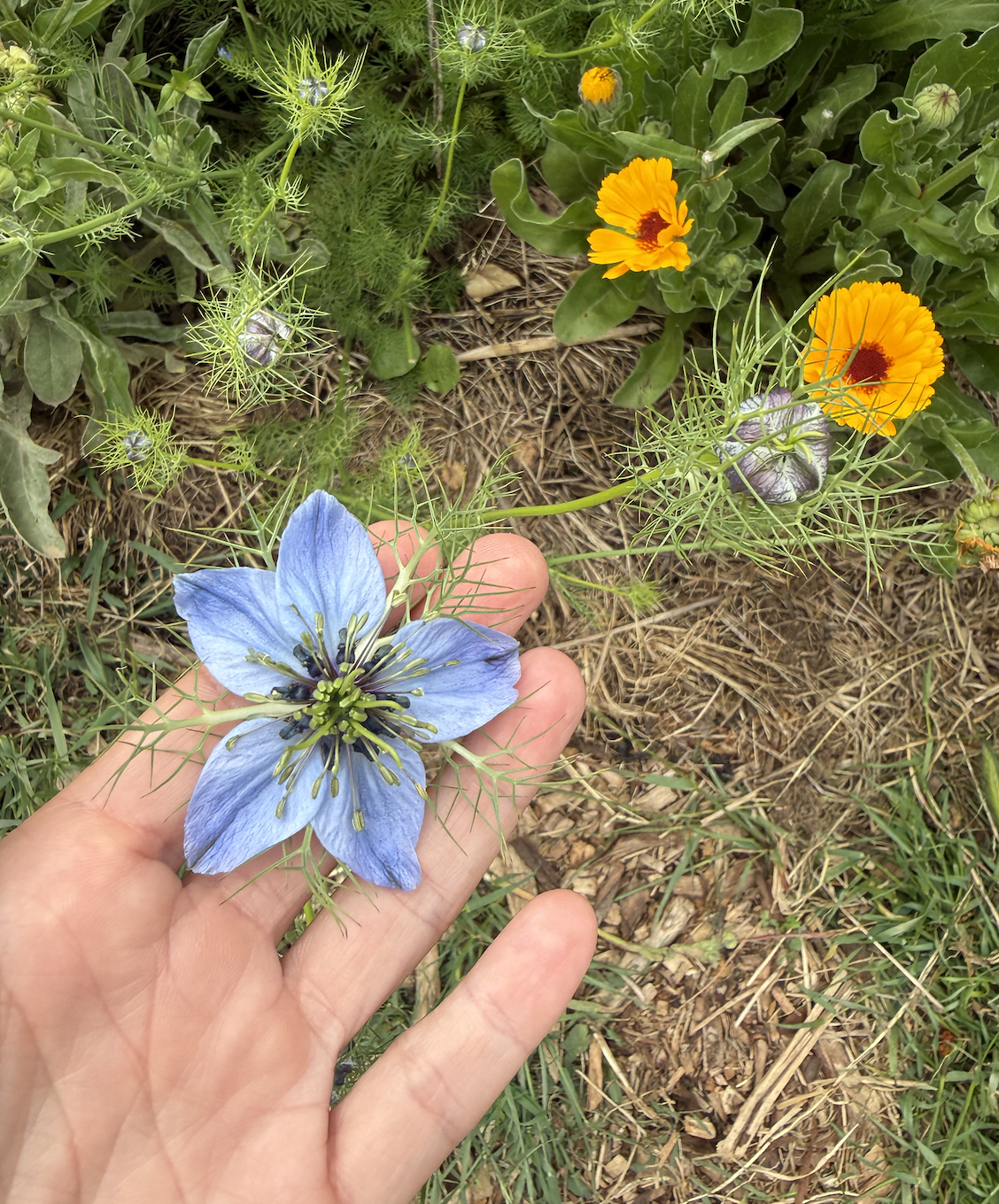
Black cumin is a small annual herb growing 20–60 cm tall, with finely divided feathery leaves and pale blue or white flowers. After flowering, the plant produces inflated seed capsules containing the small black triangular seeds for which it is famous. These seeds have been used as both spice and medicine for thousands of years across the Middle East, North Africa, and Asia.
Seeds — the main medicinal part, usually used dried. Commonly taken as whole seeds, ground powder, oil, or infused in traditional preparations. Modern products include capsules, cold-pressed seed oil, and standardized extracts.
Used across Unani, Ayurveda, Siddha, Chinese medicine, and Arabian folk medicine traditions for asthma, bronchitis, coughs, indigestion, diarrhea, headaches, inflammation, hypertension, rheumatism, skin conditions, and general digestive support. Applied topically for wounds, abscesses, swollen joints, eczema, and nasal problems.
Today, black cumin remains both a culinary spice and an important herbal supplement. Modern research and reviews report use of black cumin seed and seed oil for respiratory complaints, metabolic syndrome, diabetes, dyslipidemia, hypertension, inflammatory conditions, and some infectious diseases. Studies highlight antioxidant, immunomodulatory, antibacterial, bronchodilator, and hepatoprotective activity, largely linked to the compound thymoquinone.
Available as whole dried seeds, cold-pressed seed oil, and as a featured ingredient in our metabolic support and respiratory blends.
Family: Ranunculaceae (the buttercup family)
Portuguese: Cominho-preto
Other names: Black seed, black caraway, nigella
Black cumin is a small annual herb growing 20–60 cm tall, with finely divided feathery leaves and pale blue or white flowers. After flowering, the plant produces inflated seed capsules containing the small black triangular seeds for which it is famous. These seeds have been used as both spice and medicine for thousands of years across the Middle East, North Africa, and Asia.
Seeds — the main medicinal part, usually used dried. Commonly taken as whole seeds, ground powder, oil, or infused in traditional preparations. Modern products include capsules, cold-pressed seed oil, and standardized extracts.
Used across Unani, Ayurveda, Siddha, Chinese medicine, and Arabian folk medicine traditions for asthma, bronchitis, coughs, indigestion, diarrhea, headaches, inflammation, hypertension, rheumatism, skin conditions, and general digestive support. Applied topically for wounds, abscesses, swollen joints, eczema, and nasal problems.
Today, black cumin remains both a culinary spice and an important herbal supplement. Modern research and reviews report use of black cumin seed and seed oil for respiratory complaints, metabolic syndrome, diabetes, dyslipidemia, hypertension, inflammatory conditions, and some infectious diseases. Studies highlight antioxidant, immunomodulatory, antibacterial, bronchodilator, and hepatoprotective activity, largely linked to the compound thymoquinone.
Available as whole dried seeds, cold-pressed seed oil, and as a featured ingredient in our metabolic support and respiratory blends.