

 Image 1 of 1
ROSA GALLICA
Family: Rosaceae (rose family)
Portuguese: Rosa-de-Provença, rosa-gálica, rosa-vermelha-da-França
Other names: Apothecary's rose, French rose, red rose of Lancaster, Provins rose
About This Plant
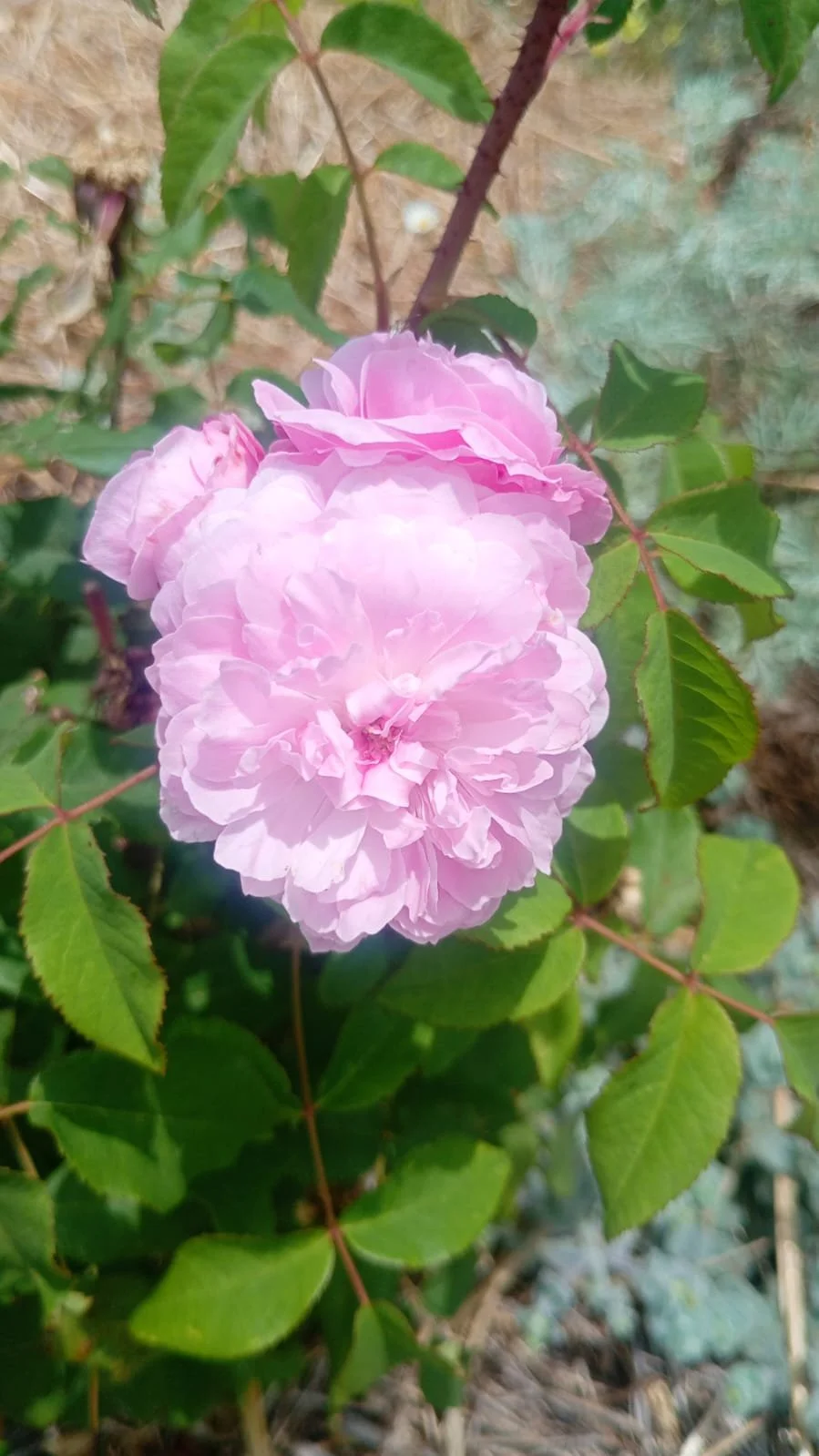
Rosa gallica is a small, hardy, deciduous shrub growing 1–1.5 m tall, with thorny stems, deep green leaves, and richly fragrant deep pink-to-crimson flowers. Native to southern and central Europe and western Asia, it is one of the oldest cultivated roses, dating back to ancient Persian, Greek, and Roman times. The variety known as "Apothecary's Rose" (Rosa gallica officinalis) has been the foundation of European rose medicine since at least the 13th century, famously cultivated in the French town of Provins for centuries of pharmaceutical use.
Parts Used Medicinally
Primary: Petals — harvested at full bloom and carefully dried in shade to preserve fragrance and color.
Also used: Rose hips (fruits) — rich in vitamin C, harvested after the first frost.
Preparations: Dried petals for tea, rose-infused water (hydrosol), rose oil (macerated), rose syrup, rose vinegar, rose honey, tincture, glycerite.
Traditional Uses
Heart and emotional medicine: Rose has been used across cultures as the plant of the heart — for grief, heartbreak, sorrow, anxiety, and emotional overwhelm. Held sacred by herbalists for opening and soothing the emotional heart.
Women's health: Used for menstrual irregularities, hormonal balance, postpartum recovery, and the emotional transitions of women's life cycles.
Skin care: Rose preparations have been used for thousands of years for sensitive, reactive, dry, and aging skin. Rose water is a foundational ingredient in Persian, Arabic, and European cosmetic traditions.
Digestive: Mild astringent and cooling — used for diarrhea, gastritis, and inflammation of the gut.
Mouth, throat, and eye: Gargles and washes for ulcers, sore throats, gum inflammation, and inflamed eyes.
Cooling and astringent: Used in hot climates and feverish conditions as a cooling, calming herb.
Modern Uses
Emotional wellness: Rose remains one of the most beloved herbs in modern Western and women's herbalism for grief, heartbreak, anxiety, and nervous tension. Used in teas, tinctures, and aromatherapy formulas for emotional support.
Women's wellness: Featured in formulas for menstrual support, hormonal balance, fertility, and postpartum care.
Skin care: Rose water, hydrosol, and rose oil are central to natural skincare — for sensitive, mature, and dry skin types. Anti-inflammatory and astringent properties.
Aromatherapy: Rose essential oil and absolute are among the most prized aromatic compounds — used for emotional balance, sensuality, and feminine wellbeing.
Culinary: Edible petals beautiful in teas, desserts, syrups, jams, and Middle Eastern dishes.
Research insights: Studies confirm anti-inflammatory, antioxidant, antimicrobial, and anxiolytic properties — supporting traditional uses.
Safety Notes
Generally very safe and well-tolerated. Avoid medicinal doses of rose essential oil during the first trimester of pregnancy. Choose organic, ethically grown roses — most commercial roses are heavily sprayed and unsuitable for internal or skin use.
🛒 Available in Our Apothecary
Family: Rosaceae (rose family)
Portuguese: Rosa-de-Provença, rosa-gálica, rosa-vermelha-da-França
Other names: Apothecary's rose, French rose, red rose of Lancaster, Provins rose
About This Plant
Rosa gallica is a small, hardy, deciduous shrub growing 1–1.5 m tall, with thorny stems, deep green leaves, and richly fragrant deep pink-to-crimson flowers. Native to southern and central Europe and western Asia, it is one of the oldest cultivated roses, dating back to ancient Persian, Greek, and Roman times. The variety known as "Apothecary's Rose" (Rosa gallica officinalis) has been the foundation of European rose medicine since at least the 13th century, famously cultivated in the French town of Provins for centuries of pharmaceutical use.
Parts Used Medicinally
Primary: Petals — harvested at full bloom and carefully dried in shade to preserve fragrance and color.
Also used: Rose hips (fruits) — rich in vitamin C, harvested after the first frost.
Preparations: Dried petals for tea, rose-infused water (hydrosol), rose oil (macerated), rose syrup, rose vinegar, rose honey, tincture, glycerite.
Traditional Uses
Heart and emotional medicine: Rose has been used across cultures as the plant of the heart — for grief, heartbreak, sorrow, anxiety, and emotional overwhelm. Held sacred by herbalists for opening and soothing the emotional heart.
Women's health: Used for menstrual irregularities, hormonal balance, postpartum recovery, and the emotional transitions of women's life cycles.
Skin care: Rose preparations have been used for thousands of years for sensitive, reactive, dry, and aging skin. Rose water is a foundational ingredient in Persian, Arabic, and European cosmetic traditions.
Digestive: Mild astringent and cooling — used for diarrhea, gastritis, and inflammation of the gut.
Mouth, throat, and eye: Gargles and washes for ulcers, sore throats, gum inflammation, and inflamed eyes.
Cooling and astringent: Used in hot climates and feverish conditions as a cooling, calming herb.
Modern Uses
Emotional wellness: Rose remains one of the most beloved herbs in modern Western and women's herbalism for grief, heartbreak, anxiety, and nervous tension. Used in teas, tinctures, and aromatherapy formulas for emotional support.
Women's wellness: Featured in formulas for menstrual support, hormonal balance, fertility, and postpartum care.
Skin care: Rose water, hydrosol, and rose oil are central to natural skincare — for sensitive, mature, and dry skin types. Anti-inflammatory and astringent properties.
Aromatherapy: Rose essential oil and absolute are among the most prized aromatic compounds — used for emotional balance, sensuality, and feminine wellbeing.
Culinary: Edible petals beautiful in teas, desserts, syrups, jams, and Middle Eastern dishes.
Research insights: Studies confirm anti-inflammatory, antioxidant, antimicrobial, and anxiolytic properties — supporting traditional uses.
Safety Notes
Generally very safe and well-tolerated. Avoid medicinal doses of rose essential oil during the first trimester of pregnancy. Choose organic, ethically grown roses — most commercial roses are heavily sprayed and unsuitable for internal or skin use.