

 Image 1 of 1
Family: Lamiaceae (mint family)
Portuguese: Orégano sírio, hissopo bíblico, za'atar
Other names: Syrian oregano, Lebanese oregano, Bible hyssop, wild marjoram
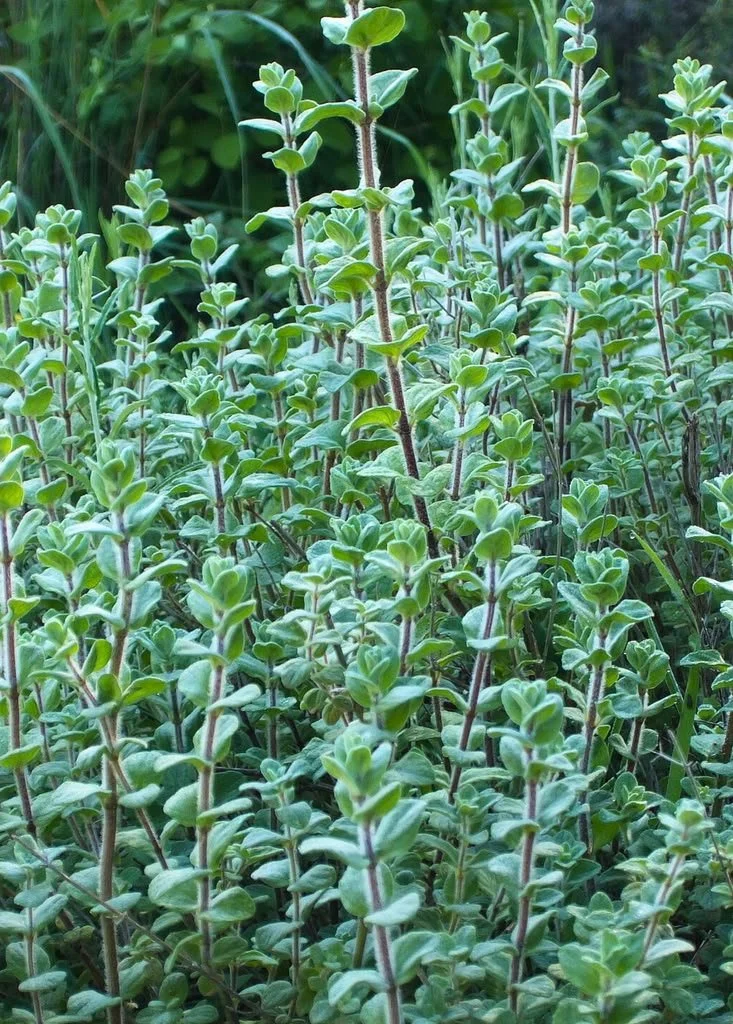
Za'atar is a perennial aromatic shrub growing 30 cm to 1 m tall, with fuzzy gray-green leaves, woody stems, and small pinkish-purple flower spikes. It thrives in dry, sunny Mediterranean conditions. This plant is the key herb behind the famous Middle Eastern spice blend of the same name, valued for both its culinary versatility and its long medicinal history.
Leaves and flowering tops, harvested fresh or dried. Dried forms are common for teas, infusions, spice blends, or essential oils extracted via steam distillation.
In Middle Eastern and Mediterranean folk medicine, za'atar has been used for:
Respiratory complaints — coughs, colds, bronchitis, and sore throats
Digestive issues — stomach pain, indigestion, and flatulence
Toothache (as a topical analgesic)
Anti-parasitic preparations
Skin irritations, bruises, and minor wounds
Modern research highlights antioxidant, antimicrobial, anti-inflammatory, and potential anticancer properties — largely linked to carvacrol and thymol, the same compounds found in oregano. Studies support its role in digestive health, liver support, and addressing antibiotic-resistant bacteria. Today it is incorporated into supplements, essential oils, and culinary products worldwide.
Available as dried leaves, traditional za'atar spice blend (with sesame and sumac), essential oil, and as a featured ingredient in our respiratory support and digestive tea blends.
Family: Lamiaceae (mint family)
Portuguese: Orégano sírio, hissopo bíblico, za'atar
Other names: Syrian oregano, Lebanese oregano, Bible hyssop, wild marjoram
Za'atar is a perennial aromatic shrub growing 30 cm to 1 m tall, with fuzzy gray-green leaves, woody stems, and small pinkish-purple flower spikes. It thrives in dry, sunny Mediterranean conditions. This plant is the key herb behind the famous Middle Eastern spice blend of the same name, valued for both its culinary versatility and its long medicinal history.
Leaves and flowering tops, harvested fresh or dried. Dried forms are common for teas, infusions, spice blends, or essential oils extracted via steam distillation.
In Middle Eastern and Mediterranean folk medicine, za'atar has been used for:
Respiratory complaints — coughs, colds, bronchitis, and sore throats
Digestive issues — stomach pain, indigestion, and flatulence
Toothache (as a topical analgesic)
Anti-parasitic preparations
Skin irritations, bruises, and minor wounds
Modern research highlights antioxidant, antimicrobial, anti-inflammatory, and potential anticancer properties — largely linked to carvacrol and thymol, the same compounds found in oregano. Studies support its role in digestive health, liver support, and addressing antibiotic-resistant bacteria. Today it is incorporated into supplements, essential oils, and culinary products worldwide.
Available as dried leaves, traditional za'atar spice blend (with sesame and sumac), essential oil, and as a featured ingredient in our respiratory support and digestive tea blends.